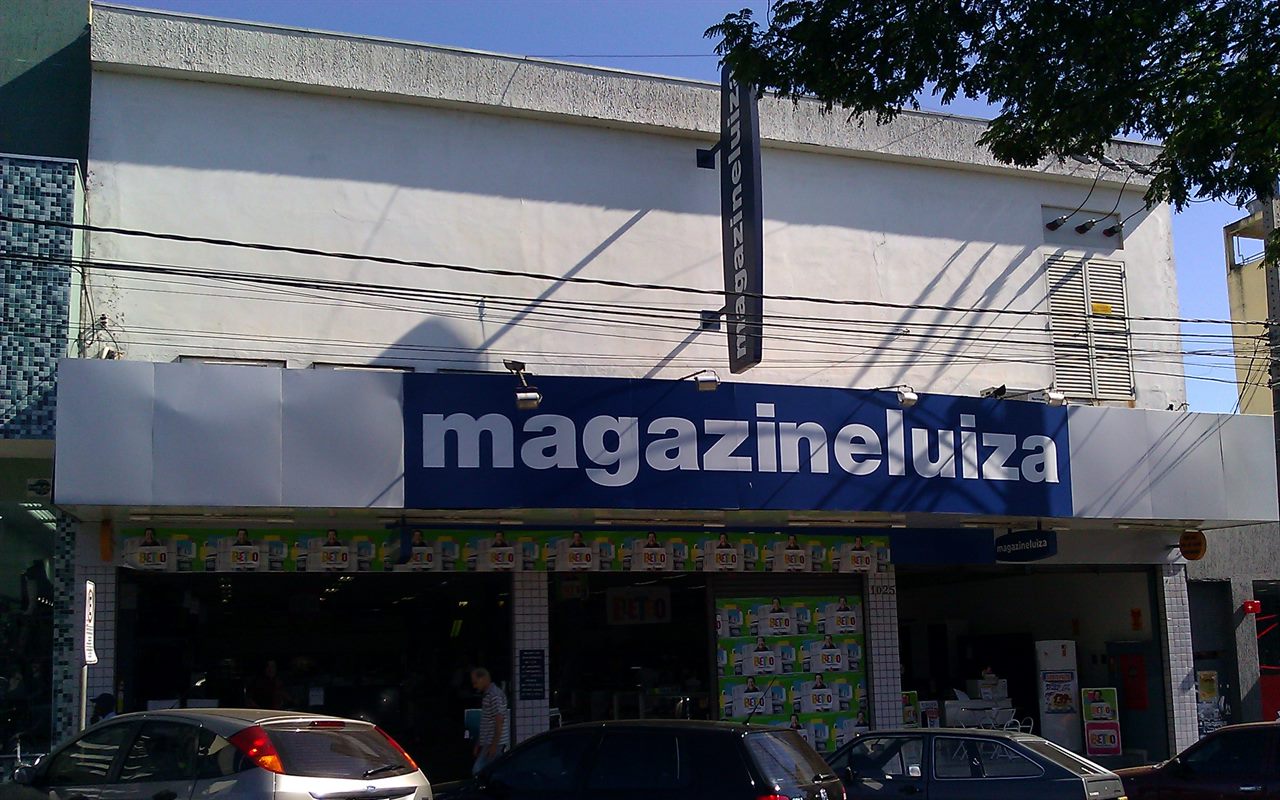
When we think of major Brazilian e-commerce companies, Magazine Luiza is one of the most impressive examples. What started as a traditional retail chain became one of Brazil's leading references in technology, marketplace, and digital sales.
How did a company born in physical retail build such a powerful digital operation?
The answer is a combination of technology, customer experience, logistics, data, and a digital strategy built over years.
From traditional retail to digital
For a long time, Magazine Luiza was known mainly for its physical stores. The transformation began when the company started seeing the internet not as just another sales channel, but as a core part of the business.
E-commerce stopped being treated as a separate operation from the stores and became part of an integrated strategy.
That shift allowed the company to use its physical structure as a competitive advantage in the digital environment.
Stores, distribution centers, salespeople, technology, and digital channels started working together.
Technology as part of the business
One of Magazine Luiza's biggest differentiators was understanding that competing in e-commerce required more than launching a website.
It required building technology.
The company invested in systems that could understand consumer behavior, improve the buying experience, integrate inventory, optimize logistics, and connect different sales channels.
In practice, that means turning data into decisions.
- Which products are being searched?
- Which customers are abandoning the cart?
- Which products have the highest sales potential?
- Which offers convert best?
The more the company understands this information, the more it can improve the operation.
Marketplace: turning customers into sellers
Another important step was creating and expanding the marketplace.
Instead of selling only its own products, the platform started letting other merchants use its structure to sell to consumers.
This model creates a powerful effect.
The more sellers join the platform, the greater the product variety tends to be. The greater the variety, the higher the potential to attract consumers. And the more consumers there are, the more attractive the platform becomes for new sellers.
It is a growth cycle.
The customer at the center of the strategy
E-commerce growth also depends on a simple experience. Buying online needs to be easy.
The consumer needs to find the product, understand its features, compare prices, choose a payment method, and receive the order without friction.
That is why large digital operations continuously invest in UX, performance, search, product recommendations, support, and after-sales.
Every small obstacle can mean a lost sale. A complicated checkout can cause abandonment. A slow page can make the customer give up. Confusing information can send the consumer to a competitor.
In e-commerce, experience is revenue.
Data and personalization
Another essential element is the use of data. Every visit generates information. Every search, click, product view, purchase, and cart abandonment can help the company understand the consumer better.
That information can be used to create more relevant recommendations, campaigns, and offers.
This is exactly where modern e-commerce starts to differ from traditional retail.
The company stops presenting the same experience to everyone and uses data to create different journeys for different consumers.
Logistics also sells
A great website is not enough if the product takes too long to arrive. Logistics has become one of the most important parts of e-commerce.
Large retailers need to work with inventory, distribution centers, carriers, tracking, and information integration.
Delivery speed and predictability directly influence the purchase decision. Investing in logistics is not only an operational issue. It is a commercial strategy.
The real secret was not just selling online
Perhaps Magazine Luiza's biggest lesson is this. The company did not simply put its products on the internet. It turned technology into part of the business model.
E-commerce started to involve:
- Technology
- Data
- Marketing
- Logistics
- Customer support
- Marketplace
- Customer experience
- Channel integration
The result is an operation far more complex than simply having an online store.
What other companies can learn
Not every company needs Magazine Luiza's scale to apply the same principles.
A small or mid-size business can start by understanding its own data. It can reduce cart abandonment. Improve product pages. Create personalized campaigns. Automate customer relationships. Use artificial intelligence for support and sales. Integrate inventory, CRM, and e-commerce.
The key is understanding that digital growth does not happen just by putting products on a website. It happens when technology, strategy, and customer experience work together.
The future of e-commerce
The next major transformation in electronic commerce will probably not be just selling more online. It will be selling more intelligently.
Artificial intelligence, automation, personalization, and data analysis are making it possible to create increasingly individualized experiences.
Consumers will be able to talk to a company, receive recommendations, ask questions, compare products, and even complete a purchase without going through the traditional store browsing process.
Companies that combine technology with a genuinely good customer experience will have an important advantage.
And Magazine Luiza's story shows exactly that: e-commerce is not just a sales channel. It is a complete transformation in how a company relates to its customers.